North Carolina's state health plan gains right to negotiate GLP-1 prices directly
The revised contract removes a clause that forced North Carolina's state employee health plan to cover GLP-1s for weight loss for all members or none, but members still have no weight-loss coverage.
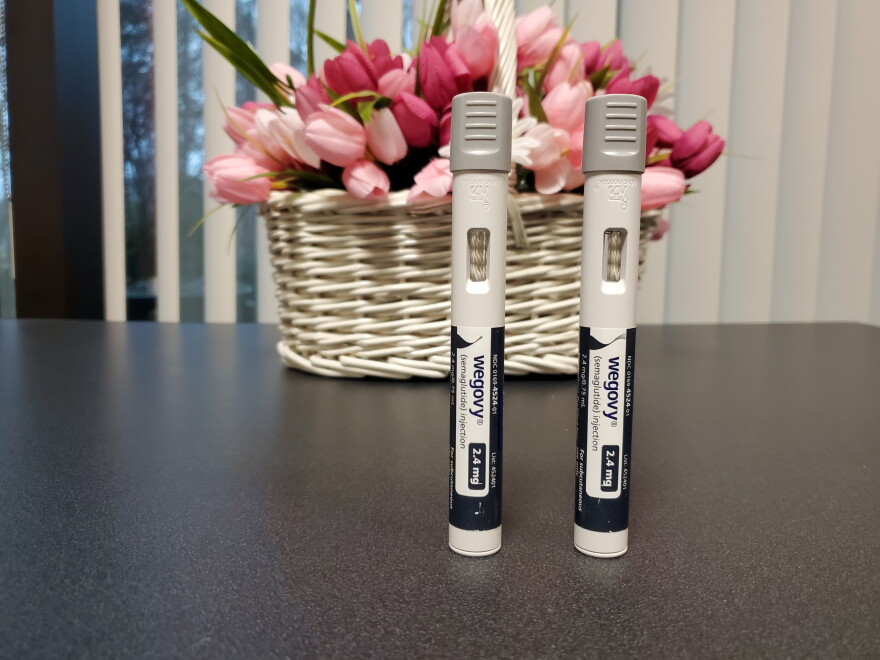
North Carolina's State Health Plan has won the ability to bargain directly with makers of GLP-1 drugs, and to build a middle tier of coverage rather than an all-or-nothing benefit, under a revised contract with CVS Caremark, its pharmacy benefit manager, the state treasurer's office announced the week of Oct. 8, 2025 [1].
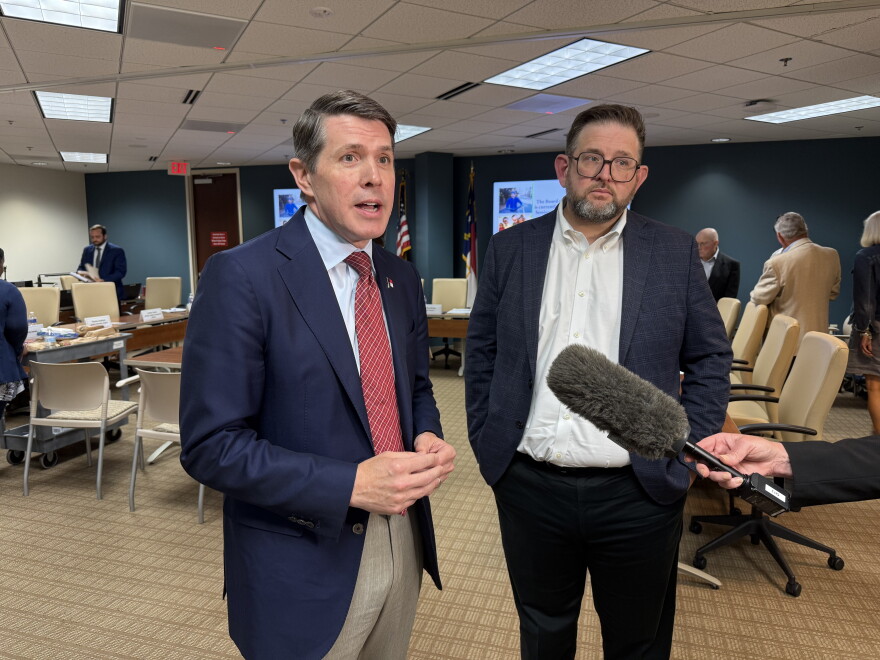
The old arrangement left the plan with two choices: pay for the medications for weight loss for every member, or pay for none of them [1]. State Treasurer Brad Briner said the administrators who picked "none" in 2024 were correct given the plan's money problems, which are already pushing premiums up next year [1]. "There is an intermediate answer between those two extremes, but unfortunately the contract didn't permit it, so that's what we've negotiated," Briner said [1].
The cutoff came in April 2024 [1]. Roughly 23,000 members were taking the drugs for weight loss at the time, and each one cost the plan more than $800 a month after rebates [1]. Health plan officials estimated yearly spending on the category would grow from about $170 million in 2024 to above $1 billion by 2030 [1]. Coverage continues for members who use the drugs to treat diabetes [1].
Two firms make these medicines: Novo Nordisk sells Ozempic and Wegovy, and Eli Lilly sells Mounjaro and Zepbound [1]. With the Caremark signature in hand, Briner said the plan has opened talks with both. "We have had very preliminary discussions after we signed the Caremark agreement — because we couldn't (before) with the manufacturers — and they're very promising, but they're early," he said [1].
The GLP-1 language is one piece of the larger Caremark deal, which Briner said will produce hundreds of millions of dollars for a plan he described as covering about 750,000 state workers, retirees and their families [1]. Elsewhere in the same reporting, plan membership is put at 770,000 [1]. The plan keeps authority over its formulary, the roster of drugs it will pay for [1]. Briner also said the rebate formula for generics made by Cordavis, a CVS Health subsidiary, was adjusted so Caremark earns more by steering members to those products instead of brand-name versions. "If you're the branded pharma person, you're the loser in this conversation, but the PBM and particularly the State Health Plan are better off," he said [1]. CVS Caremark president Ed Devaney said the company stays "laser focused on lowering drug costs, delivering value, driving innovation and providing transparency across our customers' pharmacy benefit" [1]. Caremark has handled the plan's pharmacy benefits since 2017, and the contract expires at the end of 2027 [1].
Separately, the plan wants to stand up a weight-management program of the kind some large employers run, ideally alongside renewed GLP-1 coverage [1]. Briner called AT&T's version the "gold standard," noting it includes regular check-ins, and said about 125,000 plan members have obesity [1]. "What we want to do is invest in those who are really willing to invest in themselves, to do more than just GLP-1s (and) wrap people in a broad weight loss management program so that we're helping them in many other ways to get to a healthier lifestyle," he said [1]. State senators put $95 million in their budget plan this year to cover GLP-1s for members with a body mass index of at least 38; the House and Senate remain deadlocked on a budget, so it is not law [1].
Why it matters for patients
The contract change by itself puts no medication back on the weight-loss benefit [1]. Members who take GLP-1s for that purpose are still paying out of pocket or going without, and the drugs remain covered only for diabetes [1]. What the new middle tier would actually require — a specific body mass index, a trial of other treatments, or a limited list of products — has not been disclosed [1]. The Senate's proposed BMI threshold of 38 is a legislative idea, not a plan rule [1]. The numbers behind the plan's caution are large: more than $800 a month per member after rebates, and a projected climb past $1 billion in yearly spending by 2030 [1]. People whose coverage comes from a commercial employer plan or Medicare are not directly touched by a state employee plan's contract.
What happens next
Briner said the GLP-1 arrangement and the weight-management program will likely be finished in 2026 at the earliest [1]. What prices or terms the plan reaches with Novo Nordisk and Eli Lilly has not been reported [1].
Images from the sources
Sources
Semaglutides.org provides information only, not medical advice. Talk to a licensed provider about your own care before making changes. Some telehealth links are affiliate links and are labeled where they appear.