Mounjaro and Zepbound hit $11.7 billion in a single quarter
Eli Lilly reported $11.7 billion in combined fourth-quarter sales for Mounjaro and Zepbound and said its coming pill shouldn't eat into injection sales — a sign of how central these drugs now are.
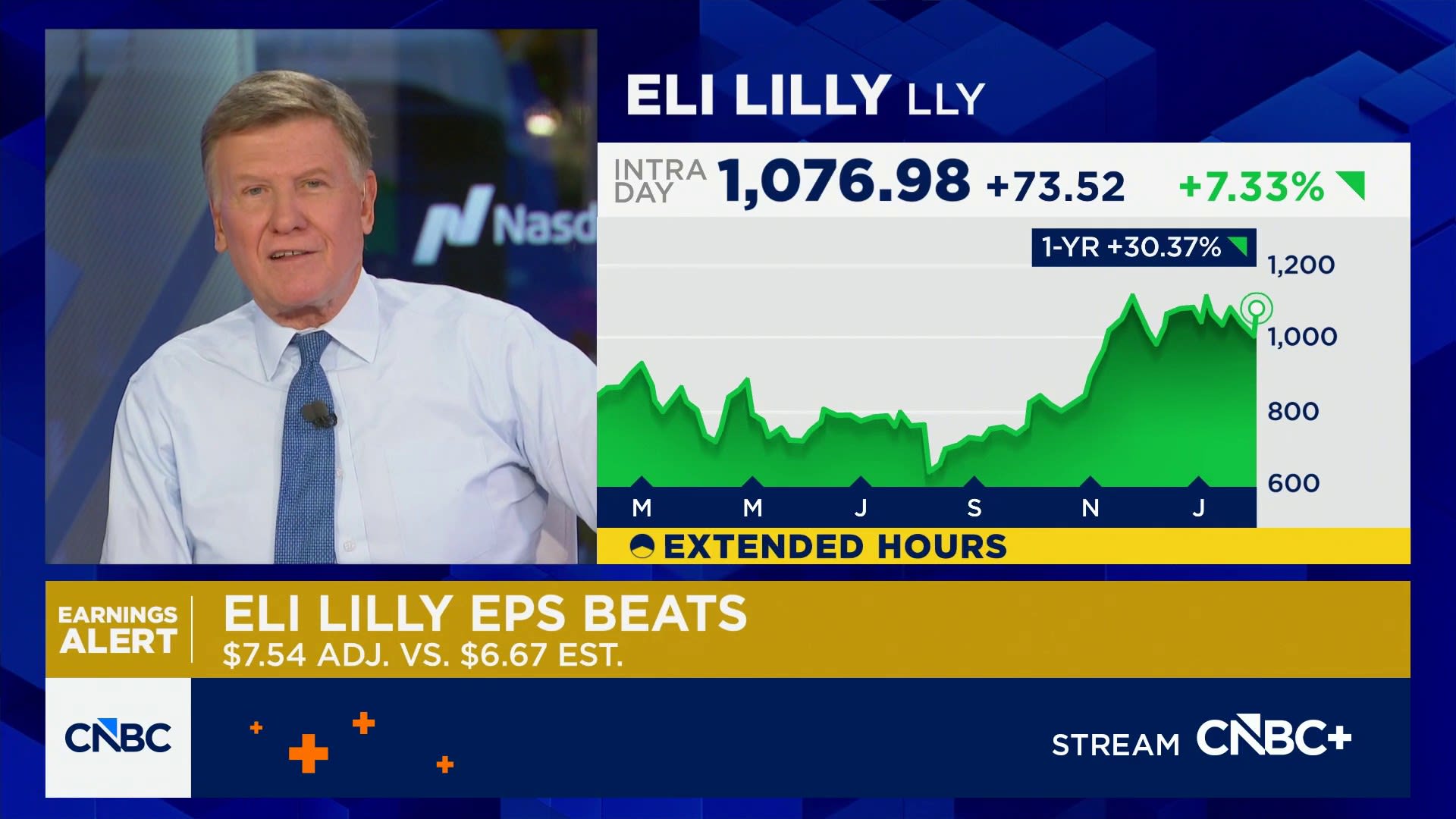
Eli Lilly reported fourth-quarter results on February 4, 2026, showing combined sales of $11.7 billion for its two tirzepatide brands, Mounjaro (approved for type 2 diabetes) and Zepbound (approved for weight management) [1]. The company beat Wall Street estimates and issued a stronger-than-expected outlook, with the two brands driving the results [2].
According to the reported figures, the two tirzepatide brands more than doubled their sales compared with the same quarter a year earlier [1]. Lilly's guidance for 2026 came in well above what rival Novo Nordisk, the maker of semaglutide products Ozempic, Wegovy and Rybelsus, has projected for its own year ahead [1].
Lilly also addressed a question that has hung over the obesity drug market for more than a year: what happens to injectable sales once a pill arrives. Company executives said they do not expect their forthcoming oral medicine to cannibalize injectable sales [1] — in other words, they expect the pill to bring in new patients rather than simply move existing ones off the weekly shot. Lilly's oral GLP-1 candidate is orforglipron, which carries the brand name Foundayo.
A few caveats are worth stating plainly. The detailed breakdown between Mounjaro and Zepbound, the split between US and international sales, the exact 2026 revenue guidance range, and the specific reasoning behind Lilly's no-cannibalization view are not spelled out in the available reporting [1][2]. Nothing in these sources addresses list prices, out-of-pocket costs, insurance coverage decisions, or supply for the quarter ahead.
Why it matters for patients
Quarterly earnings reports can feel far removed from the pharmacy counter, but they shape three things patients tend to notice.
The first is supply. Both tirzepatide and semaglutide went through periods of shortage in recent years. Revenue of this size reflects a very large number of filled prescriptions, and it signals that Lilly is producing at high volume. The sources here do not report anything about current supply conditions or manufacturing capacity, so that remains an open question.
The second is competition. Lilly guiding above Novo Nordisk for 2026 [1] describes a market where two large companies are fighting for the same patients. Competition between makers of tirzepatide and semaglutide has already pushed both companies toward direct-to-consumer cash-pay channels and discounting in the US. Whether that continues, and on what terms, is not covered in these sources.
The third is the pill question. If Lilly is right that an oral GLP-1 will not pull people off injections [1], it suggests the company expects the overall treated population to grow — people who never started an injectable because of needles, cost, or access. If Lilly turns out to be wrong, the shift could change which products get promoted and covered. Neither outcome is settled, and a company's own forecast is a forecast, not a result.
What happens next
Lilly's fourth-quarter report landed February 4, 2026 [2]. The company's 2026 guidance will be tested against its next quarterly reports through the year, and Novo Nordisk's own results will give the other half of the picture [1].
For orforglipron (Foundayo), the sources do not give a US launch date, pricing, or coverage details. Patients weighing an oral option against an injectable will not learn much from this earnings report; those specifics have to come from regulatory and pricing announcements that have not been reported in the material here.
As always, sales figures say nothing about whether a given medicine is appropriate for any individual. That is a conversation for a clinician.
Images from the sources
Sources
Semaglutides.org is for information only and is not medical advice. Always talk to a licensed healthcare provider about your own care. Some links to telehealth services are affiliate links, labeled where they appear.