North Carolina treasurer says budget is unlikely to restore GLP-1 weight-loss coverage for state workers
Weight-loss coverage of GLP-1 drugs is unlikely to return for North Carolina state employees through the budget, leaving members to pay on their own unless separate price talks succeed.
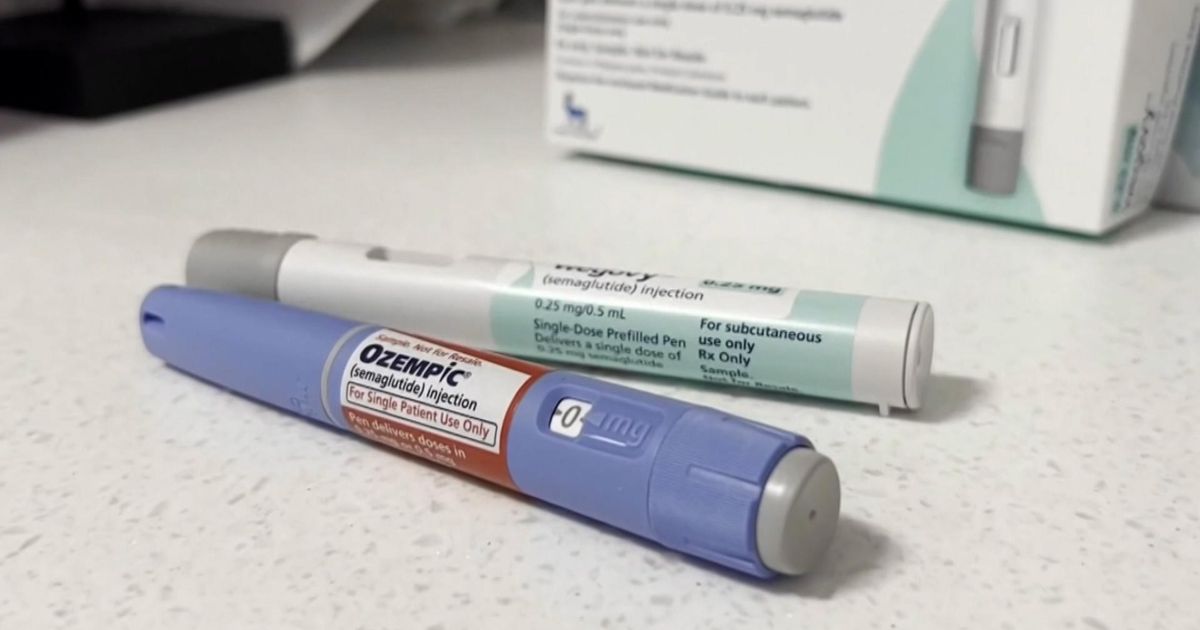
Treasurer Brad Briner said he does not expect the state budget now under negotiation to pay for a return of weight-loss coverage of GLP-1 medications under the State Health Plan [1]. He had requested about $100 million to bring the benefit back, and he told WRAL in an interview published May 27, 2026 that he no longer considers that probable [1].
"I'd hoped it would get there this year," Briner said. "I don't think that's likely." [1]
The health plan covers more than 700,000 state employees, teachers, retirees and their families [1]. It once paid for GLP-1 drugs prescribed for weight loss, including Wegovy (semaglutide), and ended that benefit after expenses climbed [1]. Prescriptions for diabetes remain covered and would stay that way, including for members who take the drugs for that condition [1].
The costs rose quickly. Monthly spending by the plan on GLP-1 medications grew from roughly $3 million in about 2021-2022 to more than $14 million in 2023 [1]. That year, the drugs accounted for about 10% of the $1 billion the plan spends on all prescription drugs [1].
The two legislative chambers have taken different positions. A Senate budget proposal released in 2025 included $25 million to restore the weight-loss benefit, while the House proposal from last year contained no money for it [1]. Lawmakers never approved a budget for the fiscal year that began July 1, 2025, and reached agreement this month on tax rates and state employee raises as they work on a new spending plan [1]. House Speaker Destin Hall and Senate Leader Phil Berger did not immediately respond to requests for comment Wednesday [1].
Even the $100 million Briner sought was narrower than the full population of interested members: it would have covered state employees considered dangerously overweight, not everyone who wants or needs the drugs for weight loss [1].
A separate path remains open. The plan has been bargaining directly with drug manufacturers to reduce prices for 2026, and Briner said coverage could begin without lawmakers if those talks produce a deal [1].
Valerie Mendenhall of Pittsboro, who has taken GLP-1 medications for several years, said her husband is a retired state employee who now drives a bus, and that both are unhappy about losing the benefit [1]. "I can't pay for this," she said. "My health is at risk. My grandchildren will suffer because I won't be able to be myself." [1] She said her doctor warned that regaining weight could worsen joint pain and mobility [1].
Dr. Sarah Ro, who directs the University of North Carolina Medical Group's weight management program, said wider access could lower long-term costs for the state while helping patients. "Providing this group with GLP-1 medications will really, in the long run, reduce the overall health care costs for the state," she said [1].
Medicaid is a separate question. The program covers GLP-1 drugs for conditions such as diabetes and certain heart-related conditions, but not for weight loss [1]. A Medicaid bill Gov. Josh Stein signed last month directs the North Carolina Department of Health and Human Services to develop a plan giving Medicaid managed care organizations more flexibility in covering the drugs for conditions beyond diabetes and heart disease; it does not require weight-loss coverage [1]. Whether Medicaid might eventually be used to broaden access for weight loss is unresolved, and the department did not immediately respond to a request for comment [1].
Why it matters for patients
For members of the State Health Plan, the practical effect of Briner's expectation is that weight-loss coverage is not returning through this budget round [1]. Coverage of the same medications for diabetes is unchanged [1].
Anyone who lost the weight-loss benefit would need another way to pay unless the plan reaches a pricing agreement with manufacturers or lawmakers reverse course later [1]. A restoration at the funding level Briner requested would still be limited to members deemed dangerously overweight, so it would not reach everyone seeking the drugs for weight loss [1].
Medicaid enrollees fall under different rules, and the state has not decided whether to extend coverage beyond diabetes and certain heart conditions [1]. No timeline for that decision has been disclosed [1].
What happens next
Budget talks are continuing, and no final policy decisions have been made [1]. The plan's negotiations with drugmakers over 2026 prices are ongoing, and a successful outcome could allow coverage to resume without legislative approval, according to Briner [1]. The Medicaid law signed last month requires the state health department to draft a plan for more flexible GLP-1 coverage in managed care, but it does not mandate weight-loss coverage [1]. It has not been reported when that plan would be completed [1].
Sources
Semaglutides.org provides information only, not medical advice. Talk to a licensed provider about your own care before making changes. Some telehealth links are affiliate links and are labeled where they appear.