STAT reports a loophole in the White House pricing deal with Lilly and Novo
A STAT analysis found the Trump administration's price deal with Eli Lilly and Novo Nordisk let list prices stay high outside Medicare and Medicaid, so some patients may not see the promised savings.
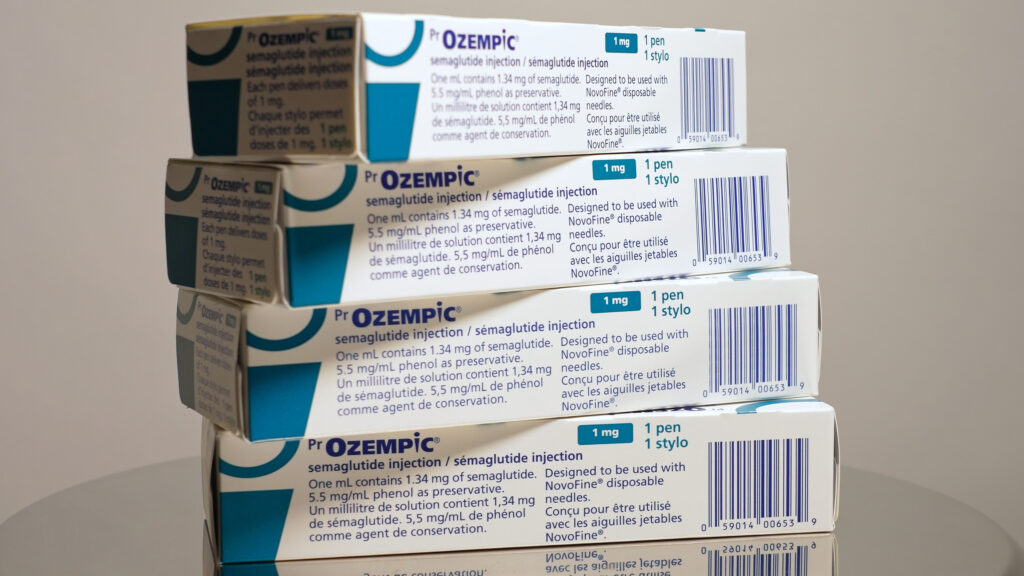
A new analysis from STAT found a loophole in the Trump administration's deal with Eli Lilly and Novo Nordisk over GLP-1 drug prices, raising questions about whether the agreement will lower costs for all patients the way it was announced [1].
The deal, struck in November, set a $245 monthly price for GLP-1 drugs in Medicare and Medicaid [1]. That price was billed as covering all GLP-1 drugs, including obesity treatments that Medicare had not covered before [1]. The arrangement was based on a simple trade: the companies would lower prices in exchange for more people using their drugs [1].
But STAT's reporting found that the companies mostly got the higher volume without giving up as much on price [1]. The $245 price was contingent on private Medicare insurers agreeing to cover the drugs for all uses, with a $50 copay for patients [1]. That condition was not publicly disclosed by the administration when the deal was announced, according to STAT [1]. Novo Nordisk and Eli Lilly have since confirmed the condition to STAT [1].
The practical effect, based on STAT's reporting, is that the discounted pricing applies within a specific set of channels tied to Medicare and Medicaid, while prices in other parts of the market were not necessarily required to come down [1]. That distinction complicates the picture for anyone assuming the November deal meant lower list prices everywhere.
Why it matters for patients
For people with Medicare or Medicaid coverage who qualify under the terms insurers agreed to, the $245 price and $50 copay structure described in the deal could still apply [1]. But the condition that made that price possible — private Medicare insurers agreeing to cover the drugs for all uses — was not something the administration spelled out publicly at the time [1]. That means patients who assumed the deal applied broadly across all purchasing channels may find the picture is more complicated than the initial announcement suggested.
Patients who get GLP-1 drugs outside Medicare or Medicaid, such as through commercial insurance or out of pocket, are not clearly covered by the facts reported here, and STAT's analysis does not spell out what happens to list prices in those channels [1]. Anyone trying to figure out what they will actually pay may need to look closely at how their specific coverage source interacts with the terms Novo and Lilly agreed to, since the deal's structure is more conditional than a flat, universal price cut.
The episode is also a reminder that headline announcements about drug pricing deals can come with conditions that are not obvious until reporters or other outside parties dig into the details. In this case, it took STAT's reporting, and confirmation directly from Novo Nordisk and Eli Lilly, to surface the copay and coverage condition tied to the $245 price [1].
What happens next
STAT's report was published June 30, 2026, and is based on the November 2025 agreement between the administration and the two drugmakers [1]. The source material reviewed here does not describe further government action, congressional response, or a timeline for closing the loophole. It is not yet known from the available reporting whether the administration or the companies plan to change the terms, or whether the discounted pricing will eventually be broadened beyond the channels the deal already covers.
Images from the sources
Sources
Semaglutides.org is for information only and is not medical advice. Always talk to a licensed healthcare provider about your own care. Some links to telehealth services are affiliate links, labeled where they appear.