Novo Nordisk moves to stop Eli Lilly GLP-1 advertising campaigns
Novo Nordisk sued Eli Lilly on July 21, 2026, over TV and social ads that compare top doses of Zepbound and Mounjaro with lower doses of Wegovy and Ozempic — the numbers many patients use to pick a drug.
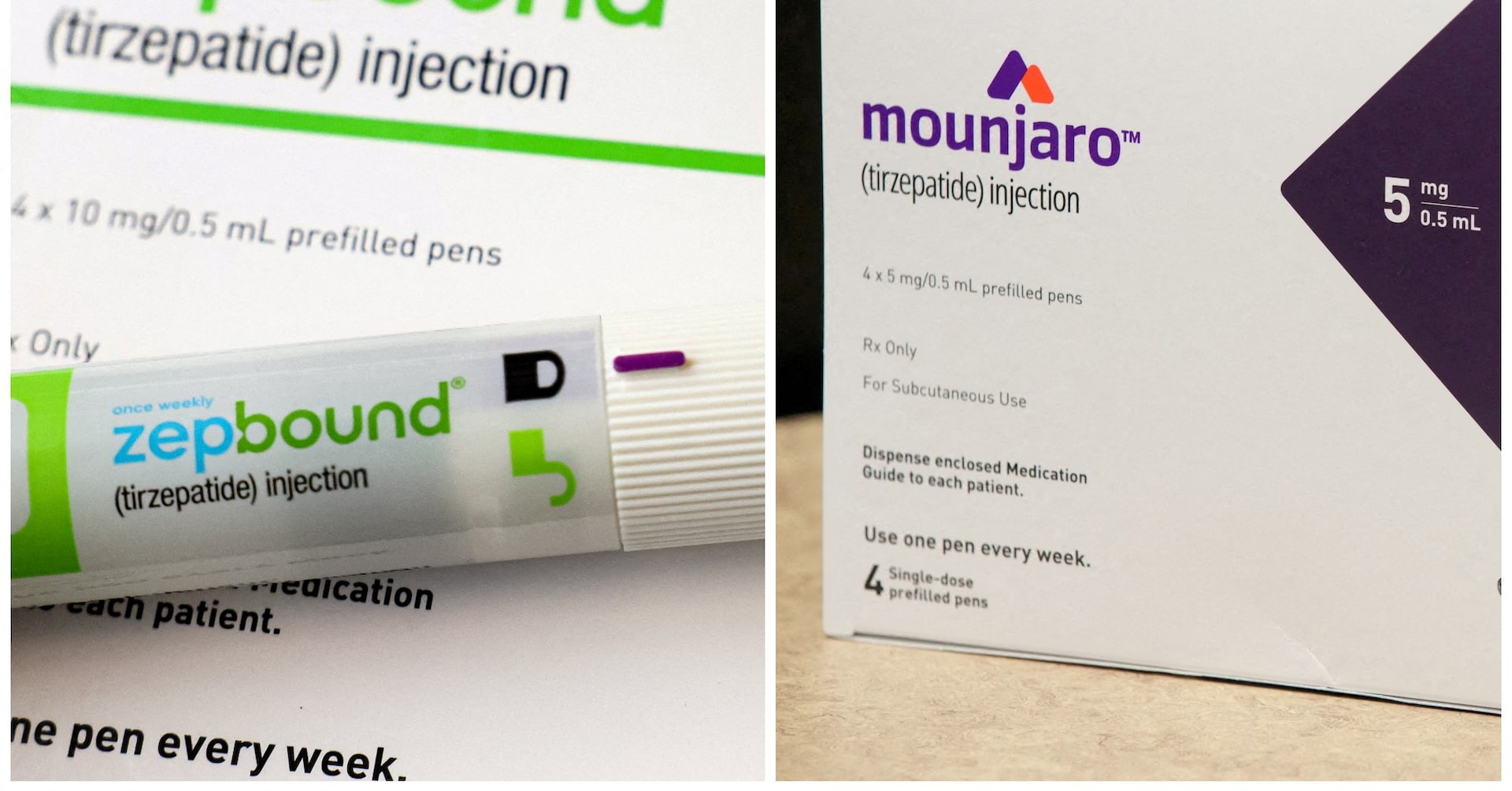
Novo Nordisk filed a false advertising lawsuit against Eli Lilly and Lilly USA on July 21, 2026, in the U.S. District Court for the District of New Jersey, claiming Lilly's national direct-to-consumer campaigns for Zepbound (tirzepatide) and Mounjaro (tirzepatide) mislead patients about how those drugs stack up against Wegovy and Ozempic (both semaglutide) [7][5]. The complaint alleges violations of federal and state false advertising and unfair competition laws, including the Lanham Act [5][7].
The core dispute is about doses. Novo says Lilly's ads pit the highest injectable doses of tirzepatide against the lower, older doses of semaglutide while leaving out the 7.2 mg dose of Wegovy that the FDA approved in March 2026 [7][5]. "The ads are maliciously and deceptively false because Lilly knowingly cites outdated clinical trials that compare the highest doses of the Lilly medicines to lower doses of Novo Nordisk's medicines," Novo wrote in its complaint [5].
Novo's group general counsel, John Kuckelman, told Reuters that Lilly's ads show roughly 50 pounds of weight loss for Zepbound versus about 33 pounds for Wegovy, even though no head-to-head trial has tested the highest approved doses of each drug against the other [5]. He said separate late-stage trials of those top doses showed average weight loss of about 48 pounds for Zepbound and about 47 pounds for Wegovy [5]. Novo's press release puts the 7.2 mg Wegovy result at an average 19% of body weight, or roughly 47 pounds [7]. Numbers cited elsewhere differ somewhat: Novo's own second-quarter filing describes the STEP UP data behind the 7.2 mg dose as showing up to 20.7% mean weight loss, and one trade report says Zepbound has been linked to weight loss of up to 21% [3][6].
Lilly is not backing down. It says the campaign rests on SURMOUNT-5, which compared patients taking 10 mg or 15 mg of Zepbound with patients taking 1.7 mg or 2.4 mg of Wegovy and was completed in 2024 [5]. "The gold standard for comparing medicines is a robustly designed, well-conducted head-to-head clinical trial — like Surmount-5, which remains the only head-to-head, randomized clinical trial directly comparing [the two drugs] in weight management," Lilly said [6]. A spokesperson added: "Rather than compete on the merits of its products, Novo is asking a court to stop Lilly from communicating the results of that trial... We will continue to focus on the science and defend against this lawsuit vigorously" [5].
Novo says it sent a cease-and-desist letter in April after the 7.2 mg approval, that Lilly did not respond, and that Lilly instead added what Kuckelman called an inadequate disclaimer [5]. Novo says the campaign has been served to consumers more than 700 million times since that late-April change, running during widely viewed global sporting broadcasts and on TikTok and Facebook [5][6].
Why it matters for patients
The U.S. is one of only a handful of countries that allow prescription drug ads aimed directly at consumers, and drugmakers spend billions on them each year [5]. That means the weight-loss figures in a commercial may be the first comparison many people ever see — and the lawsuit is a dispute over whether those figures reflect the doses now on the market.
What is not in dispute in the sources: there is still no randomized head-to-head trial comparing the highest approved dose of tirzepatide with the highest approved dose of semaglutide [6][5]. Comparisons across separate trials are not the same as a direct comparison, and the gap between the two sides' numbers — about 17 pounds versus about 1 pound — depends entirely on which doses and which studies are used [5].
The case does not change what is approved, covered or on pharmacy shelves. Wegovy HD (7.2 mg) launched in the U.S. in April 2026 [3]. Lilly's Zepbound recorded $4 billion in first-quarter 2026 sales, compared with 18.2 billion krone, or about $2.7 billion, for Novo's Wegovy [6].
What happens next
Novo is seeking a court order making Lilly withdraw the ads and run a corrective campaign, plus damages including Lilly profits tied to the ads [5][6]. Novo said it will seek a preliminary injunction if Lilly does not pull the ads voluntarily [5]. No hearing or trial date appears in the sources. Northeastern law professor Alexandra Roberts said damages "could be significant given the size of the market," but may be limited by how briefly the contested claims ran since the March 2026 approval [5]. On the day of the filing, Novo shares fell 2% and Lilly shares rose 0.5% [5].
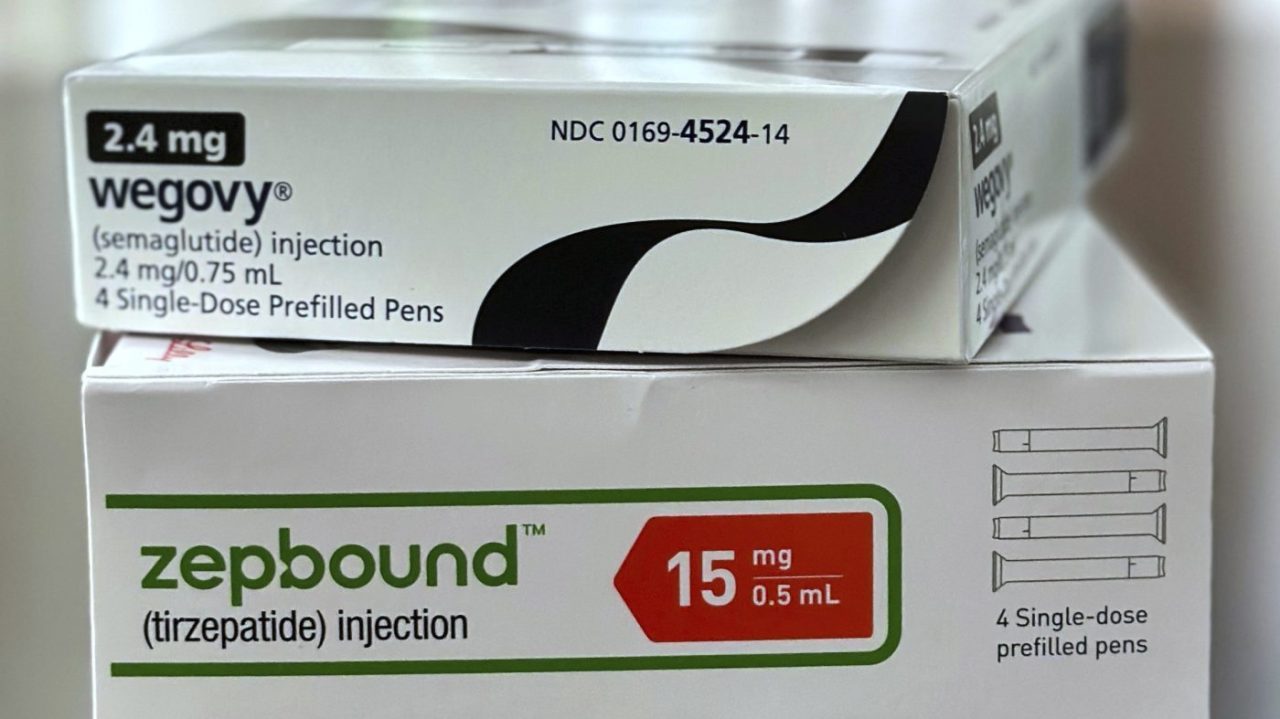
Images from the sources


Sources
- https://www.novonordisk.com/news-and-media/news-and-ir-materials.html
- https://telehealth.org/news/novo-nordisk-sues-eli-lilly-over-glp-1-advertising-expanding-scrutiny-of-drug-marketing/
- https://www.sec.gov/Archives/edgar/data/0000353278/000035327826000023/caq22026.htm
- https://www.wsj.com/health/pharma/novo-sues-rival-lilly-over-alleged-false-advertising-in-weight-loss-ads
- https://www.reuters.com/world/novo-nordisk-says-it-is-suing-eli-lilly-accusing-it-false-advertising-2026-07-21/
- https://www.healthcaredive.com/news/novo-lilly-lawsuit-obesity-drug-glp1-marketing/825801/
- https://ml-eu.globenewswire.com/media/bc5882a6-7390-483b-a4c1-6d84eba07f87/hires/pr260727-novonordisk-lanham-global.pdf
- https://thehill.com/policy/healthcare/5981384-novo-nordisk-sues-eli-lilly-advertising/
- https://www.pharmexec.com/view/novo-nordisk-sues-eli-lilly-glp-advertising-alleging-misleading-dosing-comparisons
Semaglutides.org is for information only and is not medical advice. Always talk to a licensed healthcare provider about your own care. Some links to telehealth services are affiliate links, labeled where they appear.