Novo Nordisk asks a court to halt Lilly's comparative GLP-1 advertising
Novo Nordisk is asking a federal court to block Eli Lilly ads claiming Zepbound and Mounjaro beat Wegovy and Ozempic, arguing the head-to-head trials behind them predate newer, higher doses of Novo's drugs [1][2].
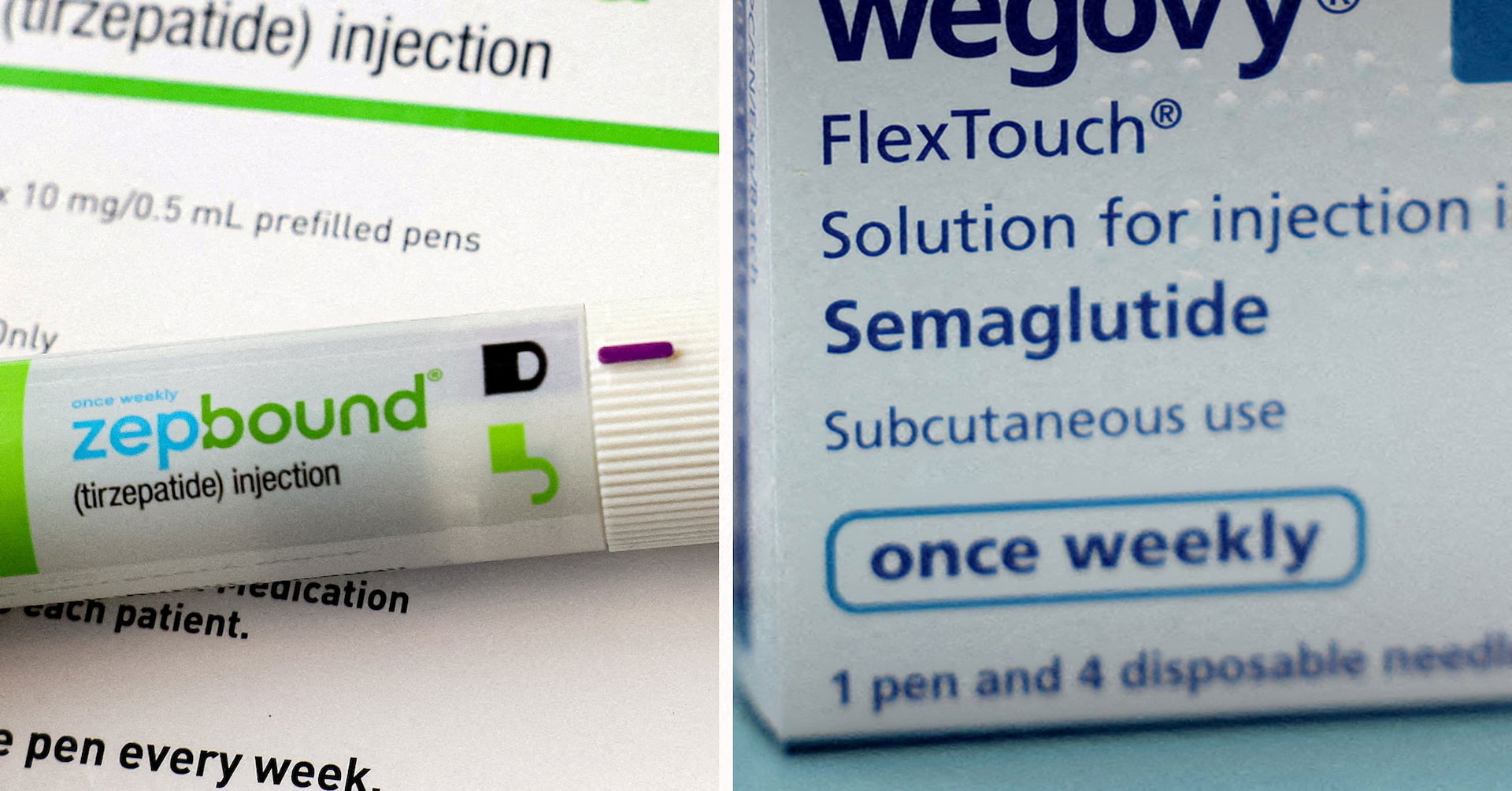
Novo Nordisk said on July 24, 2026 that it is seeking a preliminary U.S. court injunction to immediately stop Eli Lilly from running certain obesity and diabetes drug ads [1]. The move came three days after Novo sued Lilly in federal court in New Jersey, accusing its rival of using "deliberately false" comparisons between the two companies' GLP-1 medicines [2].
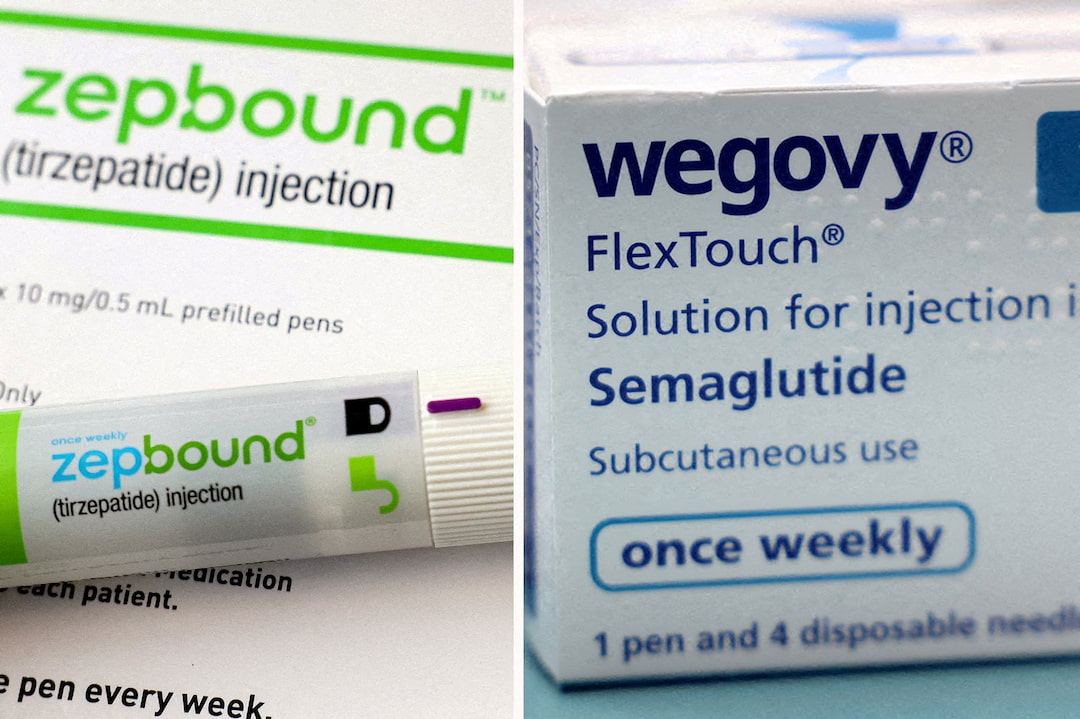
The two advertising claims at the center of the dispute are that Zepbound (tirzepatide) produces "significantly more" weight loss than Wegovy (semaglutide), and that Mounjaro (tirzepatide) lowers A1C "significantly more" than Ozempic (semaglutide) [2]. Novo argues each claim leans on clinical trials that are now out of date because they were run before Novo brought higher-dose versions of its drugs to market [2].
The trials in dispute
The first study is SURMOUNT-5, which tested Zepbound at 10 mg and 15 mg against Wegovy at 1.7 mg and 2.4 mg [2]. A higher 7.2-mg dose of Wegovy was approved in March 2026, which Novo says renders that trial outdated [2]. The second is SURPASS-2, conducted in 2021, which compared Mounjaro's highest dose of 15 mg with a 1-mg dose of Ozempic — a year before the FDA cleared a 2-mg Ozempic dose [2].
Novo told the court that Lilly's Zepbound campaign, which describes SURMOUNT-5 as a "head-to-head" comparison, has expanded to social media and generated roughly 700 million impressions since April 2026 [2]. Citing consumer survey evidence, Novo said more than 30% of people who saw the Zepbound ad took away the message that Zepbound produces significantly more weight loss than Wegovy, with similar findings for the Mounjaro ad [2]. Novo said it sent Lilly a cease-and-desist letter in April and that Lilly refused to pull the ads, though Lilly did add small-print wording to the Zepbound ad noting that a higher Wegovy dose has "since been approved" [2].
Lilly denies wrongdoing and says it stands behind its advertising [1]. "Head-to-head clinical trials are the strongest evidence for comparing medicines. SURMOUNT-5 and SURPASS-2 are the only head-to-head, randomized clinical trials directly comparing tirzepatide and semaglutide — and Novo Nordisk wants to stop Lilly from sharing their results," a Lilly spokesperson said [2]. The spokesperson added that "Novo Nordisk has never tested its highest doses of semaglutide against Lilly's tirzepatide medicines in any clinical trial; instead, it is using a lawsuit to advance comparisons it has never put to the test" [1][2].
The two accounts differ slightly on timing. Reuters reported that Novo is seeking the injunction "on an expedited basis" [1], while Fierce Pharma reported that Novo notified the court it plans to file the motion on August 17 [2]. The injunction Novo plans to seek would apply only to Lilly ads making the disputed comparative claims [2]. Novo's underlying lawsuit also seeks a permanent injunction and corrective advertising [1].
Why it matters for patients
Much of what Americans hear about these drugs comes from direct-to-consumer television and social ads. Zepbound ranked fourth among all brands in estimated national linear TV ad spending in the second quarter, at $67.8 million, according to iSpot data [2]. The court fight is essentially about whether those ads give a fair picture of how the drugs compare at the doses available today.
The core factual point is not in dispute: the only randomized head-to-head trials comparing tirzepatide and semaglutide used semaglutide doses that are no longer the highest available [2]. What is not yet known is how a 7.2-mg dose of Wegovy or a 2-mg dose of Ozempic would perform against tirzepatide, because no trial has tested that [1][2]. Neither company claims otherwise.
Commercially, Lilly is ahead. Mounjaro sales reached $8.7 billion in the first quarter, compared with 27.8 billion Danish kroner, or about $4.2 billion, for Ozempic, and Zepbound outsold Wegovy in the same period [2]. Analysts expect the U.S. obesity drug market to be worth more than $100 billion by the end of the decade [1]. BMO analyst Evan Seigerman said the suit shows Novo is "taking a more aggressive stance," while Orbimed's Sven Borho said "going to court is not going to help them in their marketing battle" [1].
What happens next
Novo told the court it plans to file its preliminary injunction motion on August 17, 2026 [2]. Lilly said it will "oppose this motion vigorously" [2]. No ruling date has been reported.
Images from the sources
Sources
Semaglutides.org is for information only and is not medical advice. Always talk to a licensed healthcare provider about your own care. Some links to telehealth services are affiliate links, labeled where they appear.