CVS and Walgreens each report about 100,000 Medicare Bridge prescriptions filled in under two months
CVS and Walgreens each say they filled about 100,000 prescriptions under Medicare's $50-a-month GLP-1 Bridge program in its first weeks, an early sign of how many seniors are using it.[1]
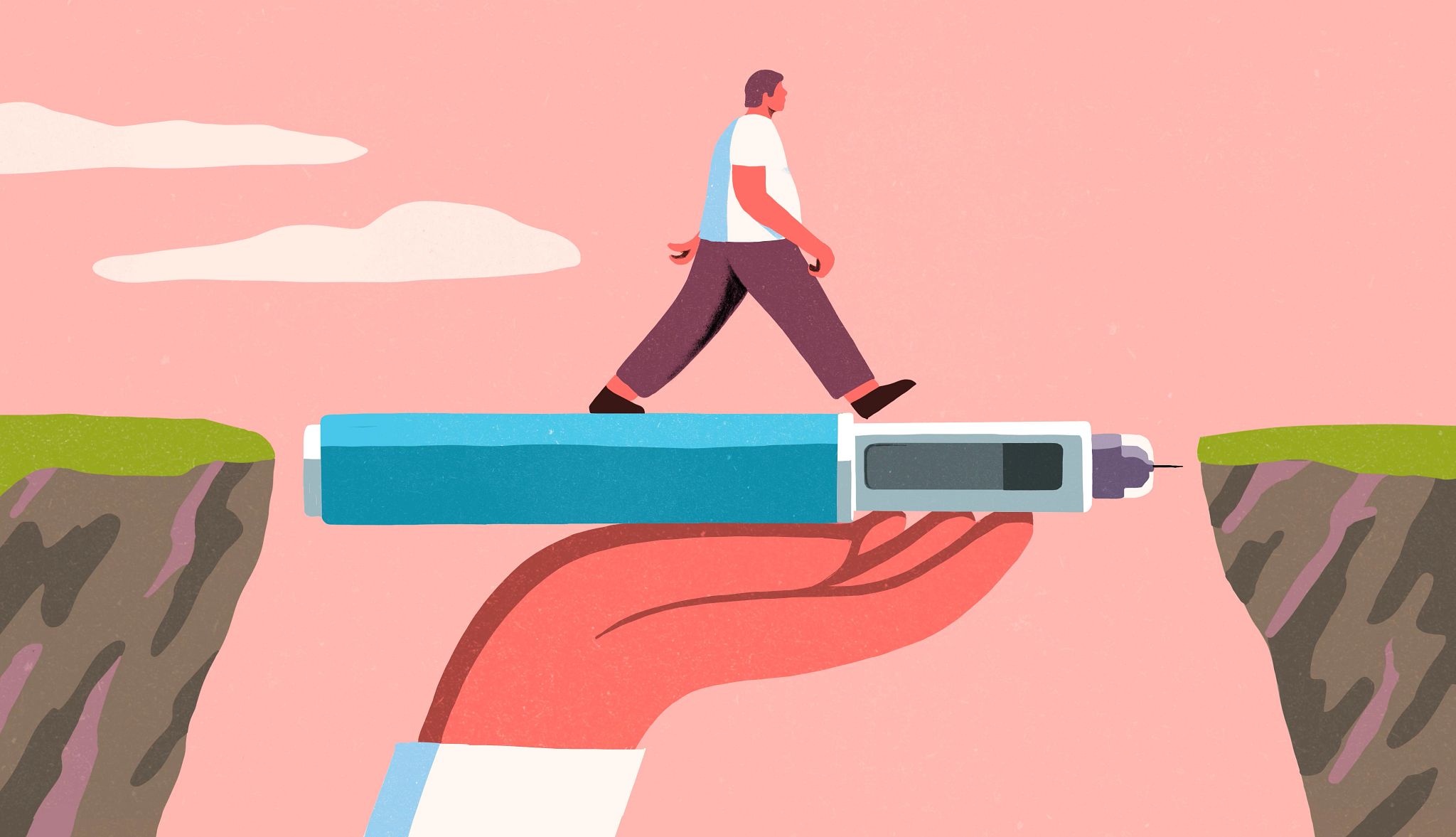
CVS and Walgreens have each filled roughly 100,000 prescriptions under Medicare's new GLP-1 Bridge program less than two months after it launched on July 1, the two chains told NPR [1]. The pilot lets certain Medicare beneficiaries get obesity drugs for $50 a month [1].
CVS said it had filled more than 100,000 Bridge prescriptions as of mid-August [1]. Walmart did not give a number but said its Bridge volume was growing week over week and that Bridge prescriptions had been processed at more than 5,000 Walmart and Sam's Club pharmacies nationwide [1].
What the Bridge program covers
By law, Medicare is barred from paying for weight-loss drugs, and the Bridge pilot is the administration's workaround: Medicare will cover the drug if a person meets certain conditions, such as having obesity combined with high blood pressure that is hard to control [1]. Beneficiaries are not eligible if they have sleep apnea or type 2 diabetes, because Medicare Part D is supposed to already cover GLP-1 drugs for those conditions [1]. The program is set to run through the end of 2027 [1].
Walgreens chief pharmacy officer Rick Gates said stores around the country stocked extra Wegovy (semaglutide), Zepbound (tirzepatide) and Foundayo (orforglipron) ahead of the July launch [1]. "We expected there would be uptake," Gates said. "I think there's been a little bit more uptake than we even expected" [1]. He said Walgreens had to adjust as the program got going but has not run into supply problems, and that about half of the Bridge patients the chain has served had never taken a GLP-1 before [1]. Gates said pharmacists can help patients who hit early side effects such as nausea and diarrhea so they don't stop therapy [1].
How big is the demand
Jeremy Shane, a nonresident scholar at the USC Leonard D. Schaeffer Institute for Public Policy & Government Service, told NPR the chain figures suggest meaningful early uptake. Before Bridge started, Medicare had estimated roughly 4 million beneficiaries might qualify, he said [1]. "If you figure this is 200,000 and, you know, there might be as many as twice as many that are out there through other chain drugstores and other prescription pharmacies. That's, you know, somewhere between 5% and 10% of the eligible population in just a short period of time," Shane said [1].
The Centers for Medicare and Medicaid Services did not give NPR figures on participation [1]. CMS Administrator Mehmet Oz said in a video posted to X on July 29 that 250,000 beneficiaries had signed up, though it is not clear whether those people got the prior authorizations required to actually fill a Bridge prescription [1].
The administration has not said how much the 18-month program could cost [1]. KFF estimates the bill could run between $1.3 billion and $10 billion depending on how many of the nearly 4 million eligible beneficiaries take part; for comparison, KFF puts 2025 Medicare Part D drug spending at $181 billion [1].
Why it matters for patients
The early numbers say two practical things. First, the $50 price appears to be pulling in people who had not used these drugs before — Walgreens put that share at about half of its Bridge patients [1]. Second, at least at the two largest chains, heavy demand has not translated into reported shortages so far; Walgreens said it stocked up in advance and has not had supply issues [1].
Eligibility remains the sticking point. The rules exclude people with sleep apnea or type 2 diabetes on the theory that Part D already covers them, and NPR has separately reported that some sick patients don't qualify [1]. Prescriptions also require prior authorization, which is why signup counts and filled-prescription counts are not the same thing [1].
What isn't known from these sources: how many people have been denied, how many stayed on therapy after the first fill, what the national total is across all pharmacies, or the actual cost to Medicare so far. CMS has not released those figures [1].
What happens next
The Bridge program runs through the end of 2027 [1]. Whether CMS publishes official enrollment and spending data before then is not stated in the available reporting [1].
(NPR corrected its story on Aug. 27, 2026, to note that Shane's USC colleagues, not Shane, wrote a paper concluding that expanding Medicare access to GLP-1s over 10 years could reduce health care spending and improve quality of life [1].)
Sources
Semaglutides.org is for information only and is not medical advice. Always talk to a licensed healthcare provider about your own care. Some links to telehealth services are affiliate links, labeled where they appear.