PepsiCo tells employees it will stop covering weight-loss drugs in October
PepsiCo told some employees that company health plans will stop covering prescription weight-loss drugs in October 2026, the latest sign that employer coverage for GLP-1s can change fast.
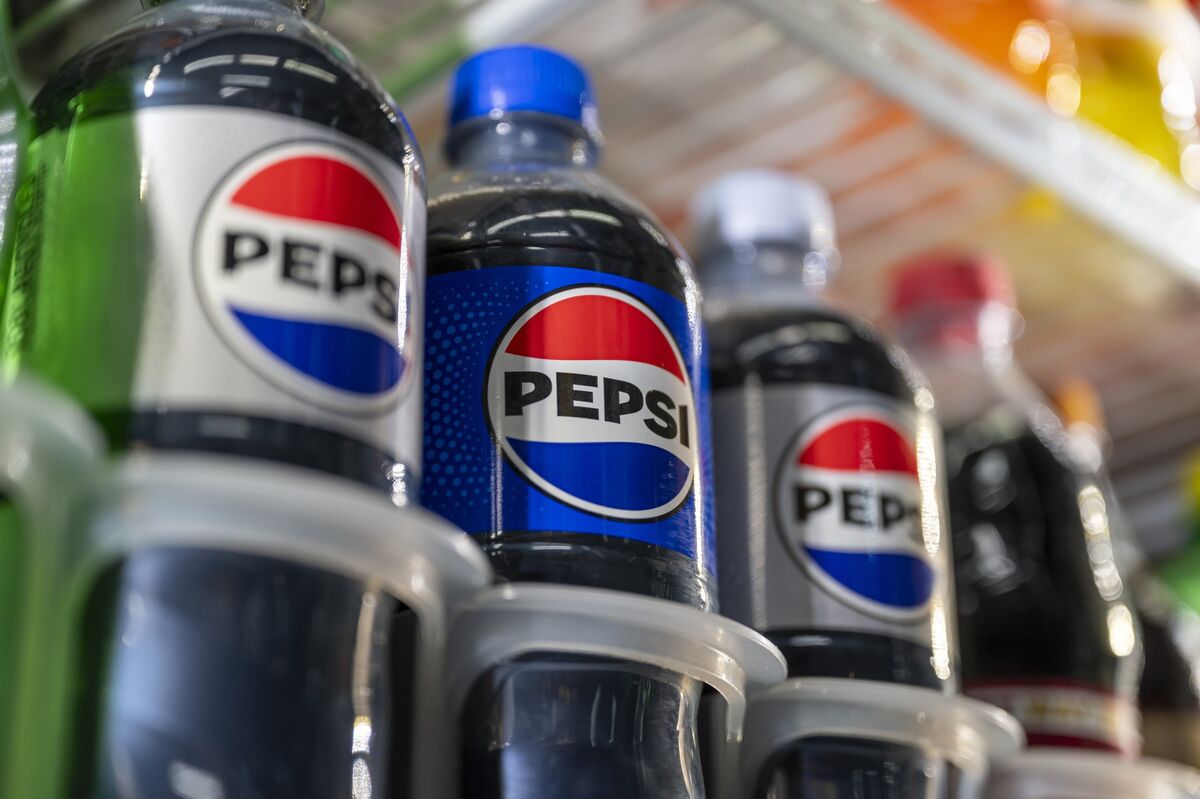
Some PepsiCo employees were told this week that prescription weight-loss drugs will no longer be covered by their company health insurance starting in October, Bloomberg News reported on August 25, 2026 [1]. The company pointed to rising costs as the reason.
"Prescription weight-loss medications have become one of the fastest-growing costs in the PepsiCo plans," according to an email sent to some employees that Bloomberg reviewed [1]. "Removing coverage for prescription weight-loss drugs enables us to maintain a healthcare program that is sustainable and affordable for all PepsiCo employees" [1].
Bloomberg described the notice as going to "some" PepsiCo employees and attributed the change to skyrocketing costs [1]. The sources do not say how many workers are affected, which specific drugs or plan designs are involved, whether coverage continues for GLP-1 medicines prescribed for type 2 diabetes rather than weight loss, or whether any exceptions or transition periods will apply. Those details are not yet known from the available reporting.
Lilly's CEO pushes back
The decision drew a public response from Eli Lilly chief executive David Ricks, who was asked about it in a CNBC interview on August 31 [2]. Ricks framed PepsiCo's move as part of a churn that, in his view, roughly cancels out across the employer market.
"Right now it's about neutral. Although the press picks up on the drops, there are adds as well. It's about flat," Ricks said [2]. He added: "I think what I'd say to PepsiCo or anybody else, you're already paying for obesity whether you cover the drugs or not. Obesity is the biggest driver of employer health costs, through heart attacks, diabetes, other untoward consequences of obesity. So treating it is a smarter play" [2].
Ricks did not provide figures to back up the claim that employer additions and drops are balancing out, and the sources do not include independent data on how many US employers added or cut GLP-1 coverage in 2026. Lilly makes tirzepatide, sold as Mounjaro for type 2 diabetes and Zepbound for weight management, so the company has a direct commercial stake in whether employers keep paying for these drugs.
Why it matters for patients
For people in the US, employer-sponsored insurance is the main way most working-age adults get health coverage, and coverage for weight-loss drugs is optional in a way that coverage for many other treatments is not. Employers can choose to add a GLP-1 benefit, restrict it with prior authorization or body-mass-index rules, or drop it entirely at the start of a plan year.
When that happens, the practical effect for an affected employee is the difference between a copay and the full cash price. The sources do not list what PepsiCo employees currently pay or what they would pay after October, and they do not describe what alternatives, if any, the company is offering. That is a gap in the reporting rather than a settled fact.
The broader point for anyone taking or considering semaglutide (Ozempic, Wegovy, Rybelsus) or tirzepatide (Mounjaro, Zepbound) through a job-based plan is that coverage decisions are made by the employer and can be revisited each year. Open enrollment materials and plan formularies are where those changes usually show up. Questions about what a specific change means for an individual prescription are for that person's prescriber and their plan administrator.
What happens next
PepsiCo's change takes effect in October 2026, according to the employee email described by Bloomberg [1]. The sources do not say whether the company has set a date to reconsider, or whether other large employers have announced similar moves this year. Ricks's comment that the market is "about flat" [2] suggests Lilly expects other employers to add coverage even as some drop it, but no supporting numbers were given in the reporting available here.
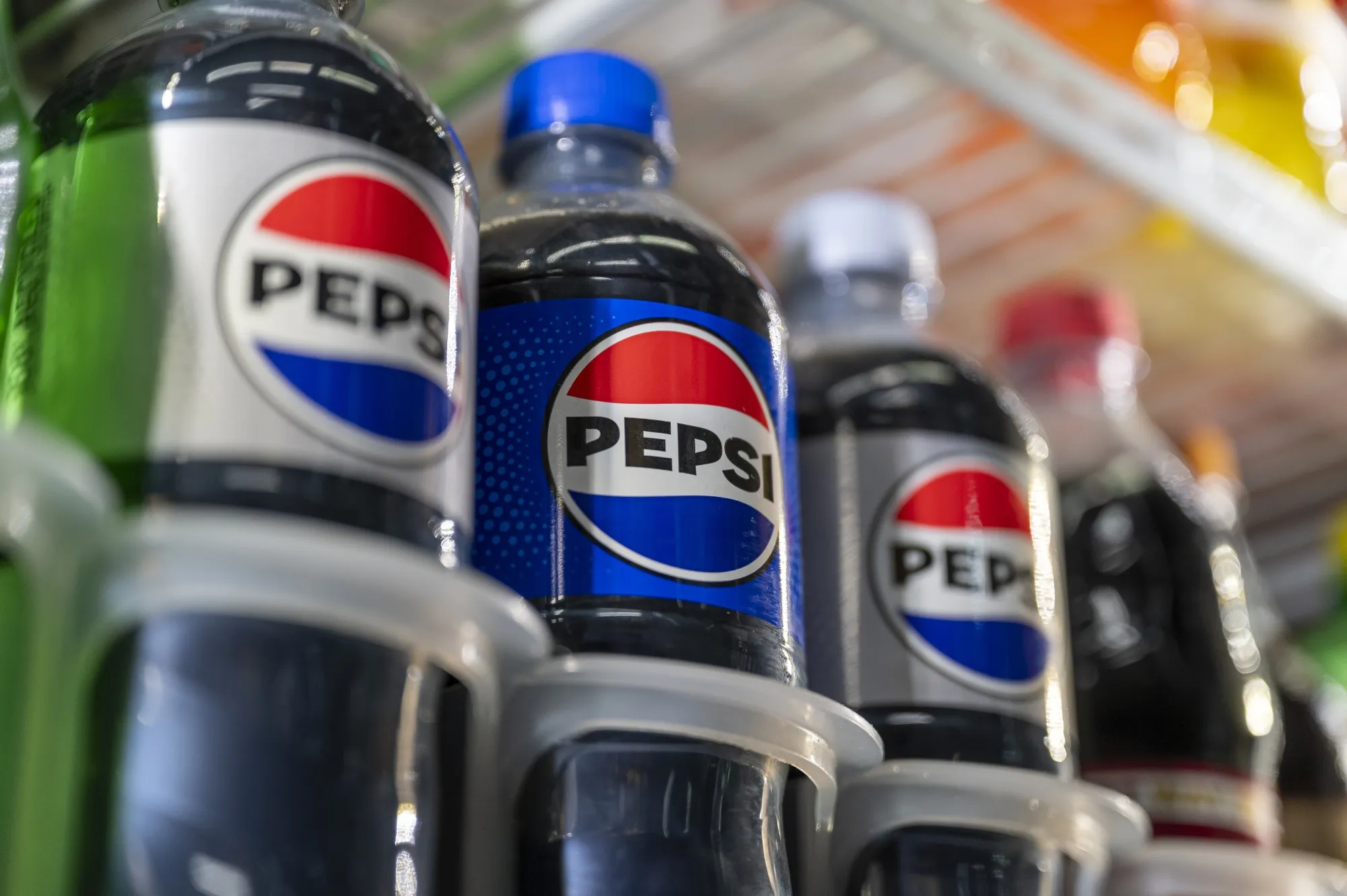
Images from the sources
Sources
Semaglutides.org is for information only and is not medical advice. Always talk to a licensed healthcare provider about your own care. Some links to telehealth services are affiliate links, labeled where they appear.