Time reports that most-favored-nation Medicaid pricing has not translated into the lowest TrumpRx prices for consumers
A Time review of the newest most-favored-nation drug deals finds Medicaid may get discounts, but TrumpRx cash prices for consumers, including GLP-1 drugs, still often run higher than what people pay abroad.
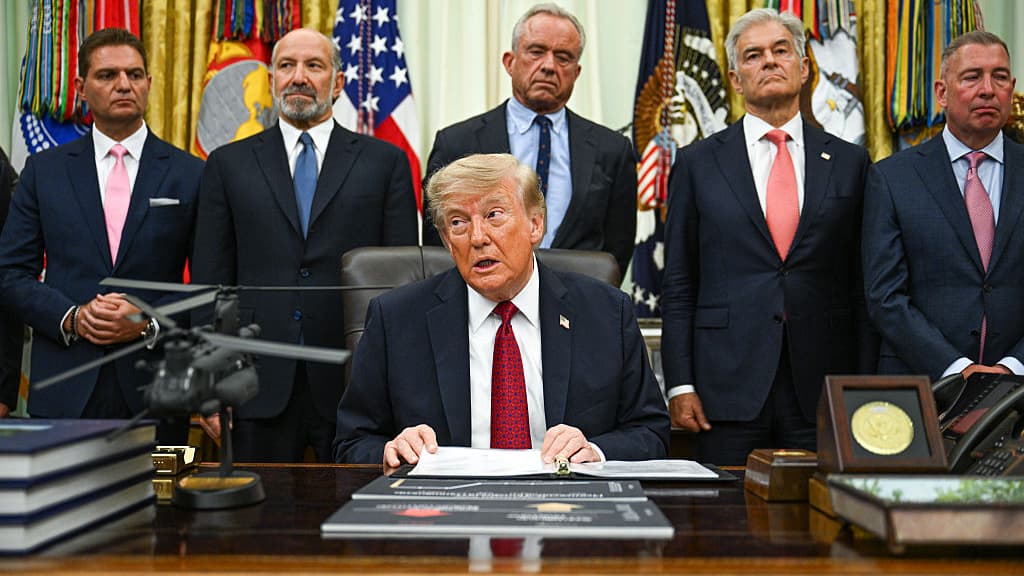
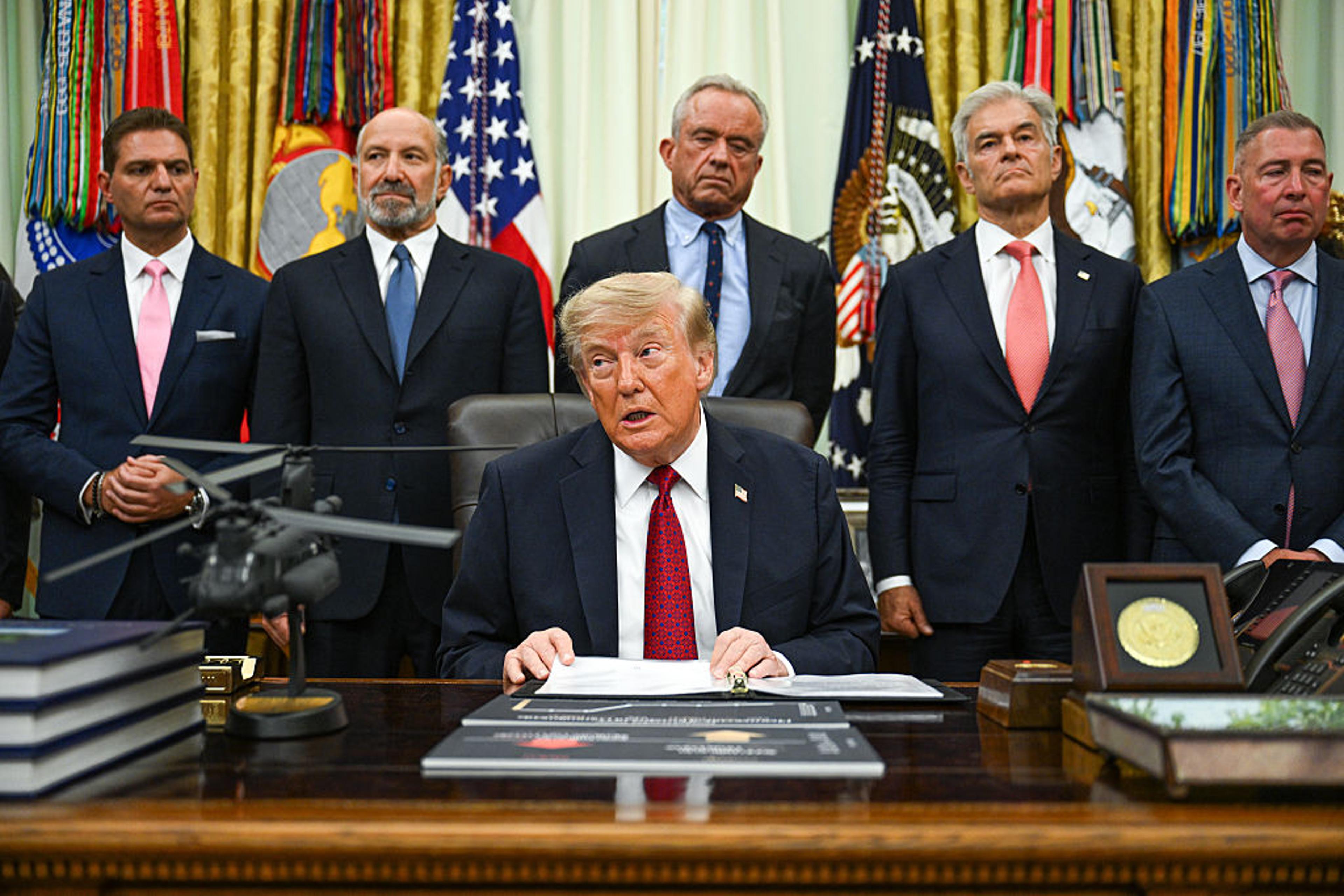
The Trump Administration says its most-favored-nation drug pricing deals are delivering the lowest prices in the world to Americans. But a Time review of the latest round of agreements found that the deals mainly bind state Medicaid programs to prices paid in Europe, while prices on the consumer site TrumpRx.gov remain higher than what patients overseas pay for the same drugs [1].
On Aug. 31, the administration announced that nine more drug companies, including Sun Pharma, Teva Pharmaceuticals and UCB, agreed to most-favored-nation pricing for Medicaid, bringing the total to 26 companies since the first deal with Pfizer in September 2025 [1]. The administration says these deals now cover 90% of the drugs used by Americans, and companies get relief from pharmaceutical tariffs in exchange [1].
But experts told Time the Medicaid deals mostly help government budgets, not patients. "The main benefit here is not to the patients using the drugs, but to the fiscal health of the program," said Luca Maini, an assistant professor of health care policy at Harvard Medical School, since most Medicaid enrollees already pay little for drugs [1]. A July research letter in JAMA estimated the earlier 17-company deals could save Medicaid programs $8.6 billion a year, though one of its authors, Dr. Thomas Hwang of Brigham and Women's Hospital, said long-term savings are "likely illusory" because companies may raise prices abroad over time, making the reference point higher too [1].
The gap between Medicaid pricing and consumer pricing echoes earlier reporting cited by Time from the New York Times, which found that despite administration claims, U.S. consumers on TrumpRx still pay more than consumers in other countries for the same drugs [1]. Separately, FactCheck.org reported the White House says TrumpRx has saved patients more than $700 million since its February launch, a figure the site has not detailed the methodology for, and one that Johns Hopkins health economist Jeromie Ballreich noted represents less than 0.2% of the $467 billion spent on prescription drugs in the U.S. in 2024 [2]. Ballreich also said TrumpRx serves a relatively small share of patients and is "not a big factor in the market" [2].
Harvard instructor Dr. Suhas Gondi told Time that drugmakers may respond to these deals by delaying launches of new drugs in some countries, so those countries' prices never become a reference point the U.S. can point to [1]. Maini's own research found a similar pattern in Europe, where reference pricing has led companies to delay debuting drugs in lower-income countries [1].
Why it matters for patients
For people using GLP-1 medications like Ozempic, Wegovy, Mounjaro or Zepbound, the practical takeaway is that a most-favored-nation label does not guarantee the lowest available price. Analysts quoted by Time cautioned that direct-to-consumer discounts on TrumpRx are not always the cheapest route for a given patient, and that going through insurance may sometimes cost less [1][2]. FactCheck.org similarly reported that some drugs featured on TrumpRx have cheaper generic alternatives sold elsewhere [2]. The deals also do not change prices for the majority of Americans with private insurance, since most-favored-nation terms apply mainly to Medicaid, TrumpRx cash sales, and certain GLP-1 and diabetes drugs sold to Medicare or Medicaid [2].
Hwang told Time that a bigger lever for lowering prices broadly, allowing Medicare to negotiate directly with manufacturers earlier in a drug's life cycle, would require an act of Congress and is not part of these agreements [1]. He called the current approach "an administratively easier pathway than lower drug prices for all payers" [1].
What happens next
The terms of the Medicaid deals and the prices Medicaid actually pays are not publicly available, so the size of any savings remains uncertain [1]. FactCheck.org noted that some drugmakers' SEC filings suggest the agreements apply to only some products, leaving it unclear how many drugs are actually covered or whether new drugs are included going forward [2].
Images from the sources
Sources
Semaglutides.org is for information only and is not medical advice. Always talk to a licensed healthcare provider about your own care. Some links to telehealth services are affiliate links, labeled where they appear.